







A reservation list tells you who is expected and when, but it does not automatically tell a small front-of-house team what to prepare. The useful step is connecting the booking picture to a short, repeatable routine: check the service, understand table and area constraints, agree on priorities, and decide how changes will be shared.
This restaurant reservation pre-shift team workflow is designed for independent restaurants and cafés where the same people may handle bookings, greet guests and turn tables. It does not require a lengthy meeting. A focused review before each service can help staff start with a shared view of expected demand and the practical details that may affect the shift.
Review reservations by service, not just by date

Begin with the reservations for the specific service ahead. A full-day view can obscure the immediate question: what does the team need to prepare for this lunch or dinner? Review the expected bookings in time order and note the periods when arrivals are likely to cluster. The aim is not to predict every guest’s behavior, but to give the team a useful picture of the service ahead.
As you review, look for details that affect the flow of the room. Which parts of the service appear busiest? Are reservations concentrated in one arrival window? Are bookings spread across the dining room, or do they place particular pressure on an area? These observations can guide where the team pays attention without turning the reservation list into a rigid script.
It also helps to distinguish confirmed information from assumptions. Share what the bookings show, and flag anything that still needs checking. That keeps the briefing practical: staff can prepare for known demand while staying ready to respond if the picture changes.
Identify table and area constraints early
Next, connect the expected bookings to the tables and areas available for that service. A reservation count on its own may not show where the work will arise. The arrangement of tables, the areas in use and the availability of each table all shape how the team can receive guests and manage the room.
Check whether the tables needed for upcoming bookings are available and whether any area requires particular attention before guests arrive. If a table is not ready or an area is temporarily out of use, make that visible to the people who need to know. Do not rely on one person’s memory of a note passed earlier in the day.
For small teams, clarity matters more than an elaborate seating plan. Agree on the current view of available tables and any constraints that could affect the service. If something is uncertain, name who will confirm it and when. This gives the team a shared starting point without pretending that every detail can be settled before the doors open.
Check waiting-list status before assigning preparation
Reservations are only part of the arrival picture when a restaurant also manages a waiting list. Review the list alongside table availability so staff can see both booked demand and the current queue of guests seeking a table. A waiting-list entry is not the same as a confirmed reservation, so keep the two clear in the briefing.
Discuss what the team needs to monitor: for example, changes to table availability, a new waiting-list entry, or a booking update that affects the room. Agree on how staff will keep the current status visible to colleagues. This is especially useful when the person greeting guests is not the only person making decisions about tables.
Keep the discussion grounded in what is actually known. Avoid assigning preparation on the assumption that every waiting guest will be seated or that a table will become free at a particular time. Instead, identify the information the team should check before making the next decision.
Run a short briefing around expected demand
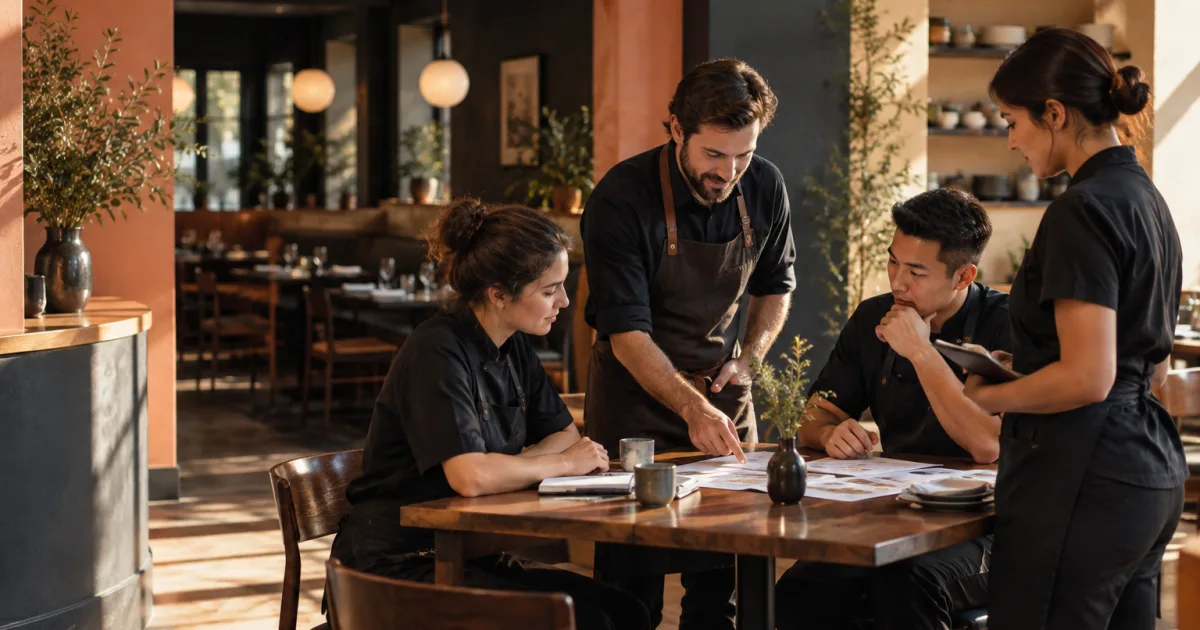
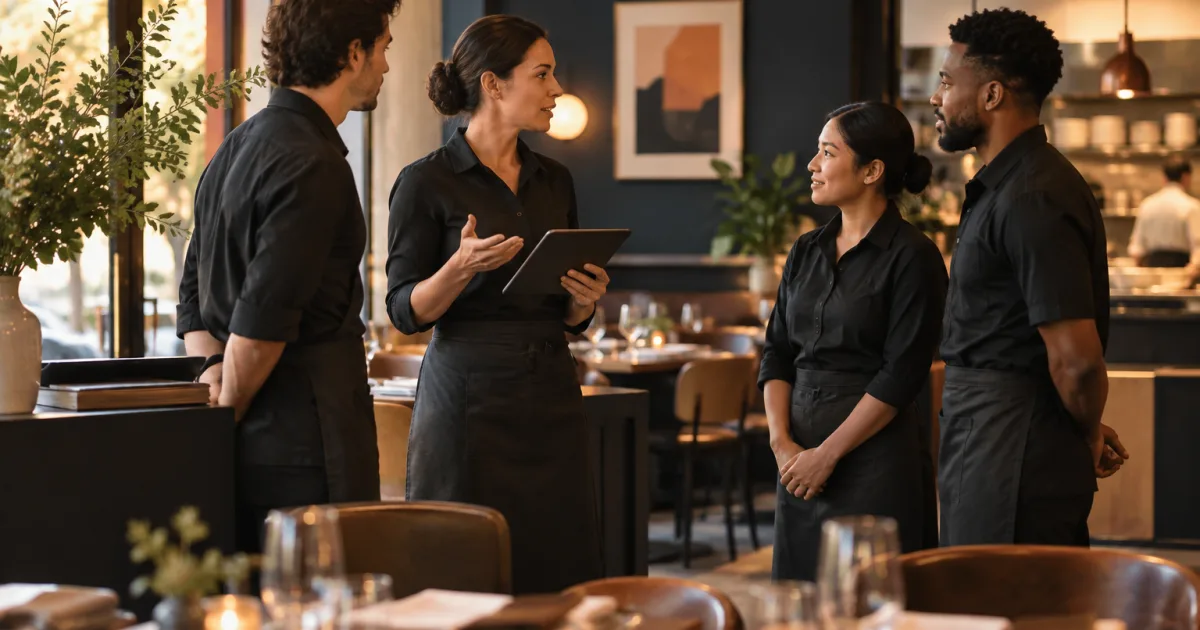
Once you have reviewed bookings, areas, table availability and waiting-list status, use a short pre-shift briefing to make the picture actionable. A practical briefing can cover three points: what demand is expected, what constraints or changes matter, and who is responsible for the next check or preparation.
Keep it concise enough that the team can remember it during service. For example, identify a busy arrival period, mention an area that needs attention, and name who will confirm a table-status change. Invite staff to raise missing information or a concern that could affect the plan. The purpose is shared understanding, not a detailed rehearsal of every possible scenario.
For recurring preparation, a checklist can help make the routine easier to follow. Suite.coffee’s Checklist app supports repeatable checklists, responsibility assignment and seeing what is complete. A restaurant could use a recurring checklist for the pre-service steps it has decided to repeat; the team should tailor the items to its own operation rather than assume every shift needs the same preparation.
Agree how reservation changes will be reported
A pre-service plan is only useful if staff know how to handle changes once service begins. Before opening, agree on a simple communication habit: who should be told when a reservation changes, where the current information should be checked, and who will update or confirm the table picture. Keep the method consistent with the tools and routines the team already uses.
Be specific about the kinds of changes worth sharing. These might include an altered booking, a change to table availability, or a waiting-list update that affects the next seating decision. The important point is that the relevant colleagues hear about a change in time to act on it, rather than discovering it from an outdated note or an assumption.
When a detail is unresolved, say so plainly and assign a follow-up. This prevents uncertain information from being repeated as fact. It also gives the team a clear next step without requiring the manager to answer every question personally throughout the service.
Use one clear reservation picture
Scattered calls and notes can make it harder to establish what the team should trust. A dedicated reservation workspace can bring bookings and table availability together with the service, areas and waiting list. Suite.coffee’s Restaurant reservations app is described as a way to receive online bookings, control availability for each service, and organise tables, areas and the waiting list.
The practical benefit of a clear reservation picture is that the pre-shift conversation can start from information staff can review, rather than from someone’s recollection alone. The app does not replace decisions about how your team runs a service: managers still need to review the details, agree priorities and communicate changes. Consider whether a shared reservation workspace would make those steps easier for your restaurant.
Close the loop after service
When the service is over, take a few minutes to note information that could help the next shift. Keep the notes concrete: a table or area constraint that should be checked again, an unresolved booking detail, or a recurring preparation step that the team found useful. Avoid turning the handover into a long account of the entire service.
Separate lasting observations from one-off events. A temporary issue may not need to become part of the regular routine, while a repeated preparation gap could be worth discussing before the next service. The next shift can then check the note against the current reservation and availability picture instead of treating yesterday’s conditions as still true.
This close-the-loop habit also gives managers a chance to refine the briefing. If staff repeatedly need the same information, make sure it is included in the review. If a checklist item no longer helps, reconsider whether it belongs there. The goal is a routine that stays useful, not more paperwork.
Make the workflow fit your team

A good restaurant reservation pre-shift team workflow connects expected bookings to what the team can prepare: tables and areas, waiting-list status, clear responsibilities and a way to report changes. Start with a short review, keep the briefing focused, and capture only the handover notes the next shift can use.
Explore Suite.coffee’s restaurant reservation app and checklist app to see whether a clearer pre-service routine fits your team.